November 16, 2026
Brick, stone, and mortar have a reputation for lasting a lifetime, and with good reason. Masonry ranks among the most durable building materials available, which is exactly why so many homeowners overlook it until something goes wrong. A hairline crack in a chimney crown, a crumbling joint along a foundation wall, or a loose brick on the front steps may not seem urgent. However, these small flaws often serve as the first sign of a much larger problem developing beneath the surface. Understanding how masonry deteriorates, and why routine care matters, can help you protect your home and avoid costly repairs. Partnering with an experienced masonry contractor before minor issues escalate is one of the smartest investments you can make in your property.
Why Small Cracks Deserve Your Attention
It's easy to dismiss a thin crack as cosmetic. After all, the wall is still standing, the chimney still vents smoke, and the steps still hold your weight. The trouble is that masonry rarely fails all at once. Instead, it breaks down gradually, and each small opening gives the elements a new way in.
Mortar joints serve as the sacrificial component of a masonry wall. They're softer than the surrounding brick or stone so they can absorb movement and wear, protecting the units they hold together. Over time, sun exposure, wind, rain, and seasonal temperature swings slowly erode that mortar. In our experience, mortar joints on many homes start showing noticeable wear within 20 to 30 years, though harsh exposure can shorten that timeline considerably. Once the joints recede or crack, the masonry loses a key layer of defense.
A qualified masonry contractor can tell the difference between a harmless surface blemish and a crack that signals settling, moisture intrusion, or structural movement. That distinction matters, because the right response depends entirely on what's causing the damage. Ignoring early warning signs rarely saves money. A repair that might take a few hours today can turn into a partial rebuild later, especially once water has had a chance to work its way deep into the wall.
How Water Turns Minor Flaws Into Major Damage
Water poses the single greatest threat to masonry. Brick, stone, and mortar are all porous to some degree, and when moisture finds its way through cracks or deteriorated joints, it sets off a chain reaction of problems.
In colder climates like New England, freeze-thaw cycles accelerate the damage. Water seeps into small openings, freezes, and expands, pushing the crack a little wider each time. When the ice melts, more water flows into the now-larger gap, and the cycle repeats throughout the winter. What started as a hairline fracture can become a loose brick, a spalling face, or a section of failing wall within just a few seasons.
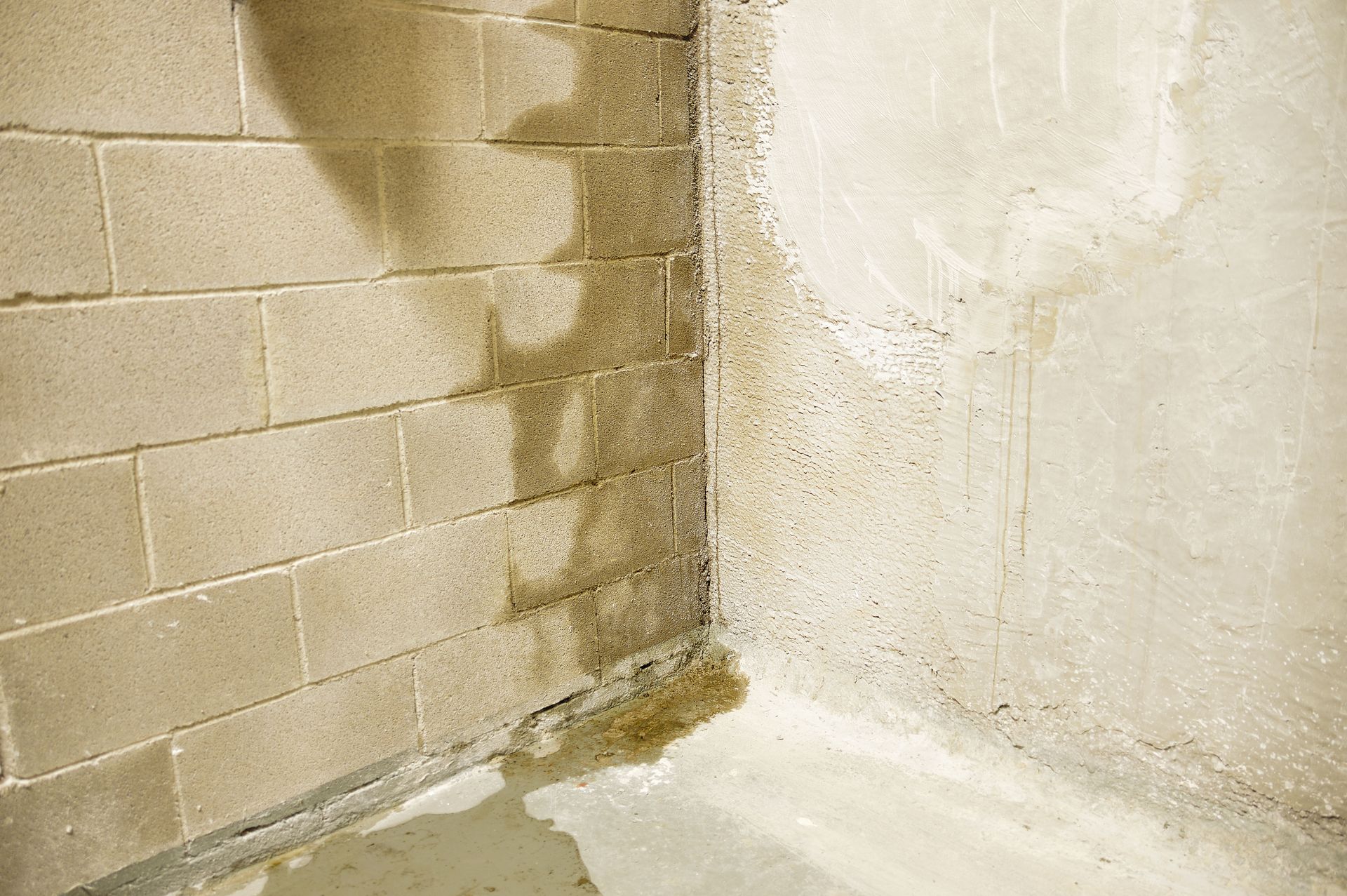
Moisture also causes problems you can't always see from the outside. It can rust embedded steel, rot nearby wood framing, encourage mold growth, and leave behind white, chalky efflorescence on the surface. Inside the home, water that travels through a chimney or foundation wall may show up as stained ceilings, damp basements, or peeling paint.
According to CooperatorNews South Florida, routine masonry maintenance, including two main tasks of repointing and crack repair, helps keep water from penetrating the structure and causing lasting damage. In other words, the simplest repairs often provide the most important protection, which is why so many homeowners schedule regular visits from a masonry contractor rather than waiting for a crisis.
Where Masonry Problems Tend to Hide
Some areas of your home face more exposure than others, and they tend to show wear first. Knowing where to look can help you catch issues early.
Chimneys sit at the top of the house and take the brunt of rain, snow, and wind. Cracked crowns, deteriorated mortar joints, and damaged flashing can all allow water to enter the chimney structure and the home below. Foundations face a different challenge, since they constantly contend with soil moisture and hydrostatic pressure. Cracks in foundation walls can let groundwater into the basement and, if left alone, may point to deeper structural concerns.
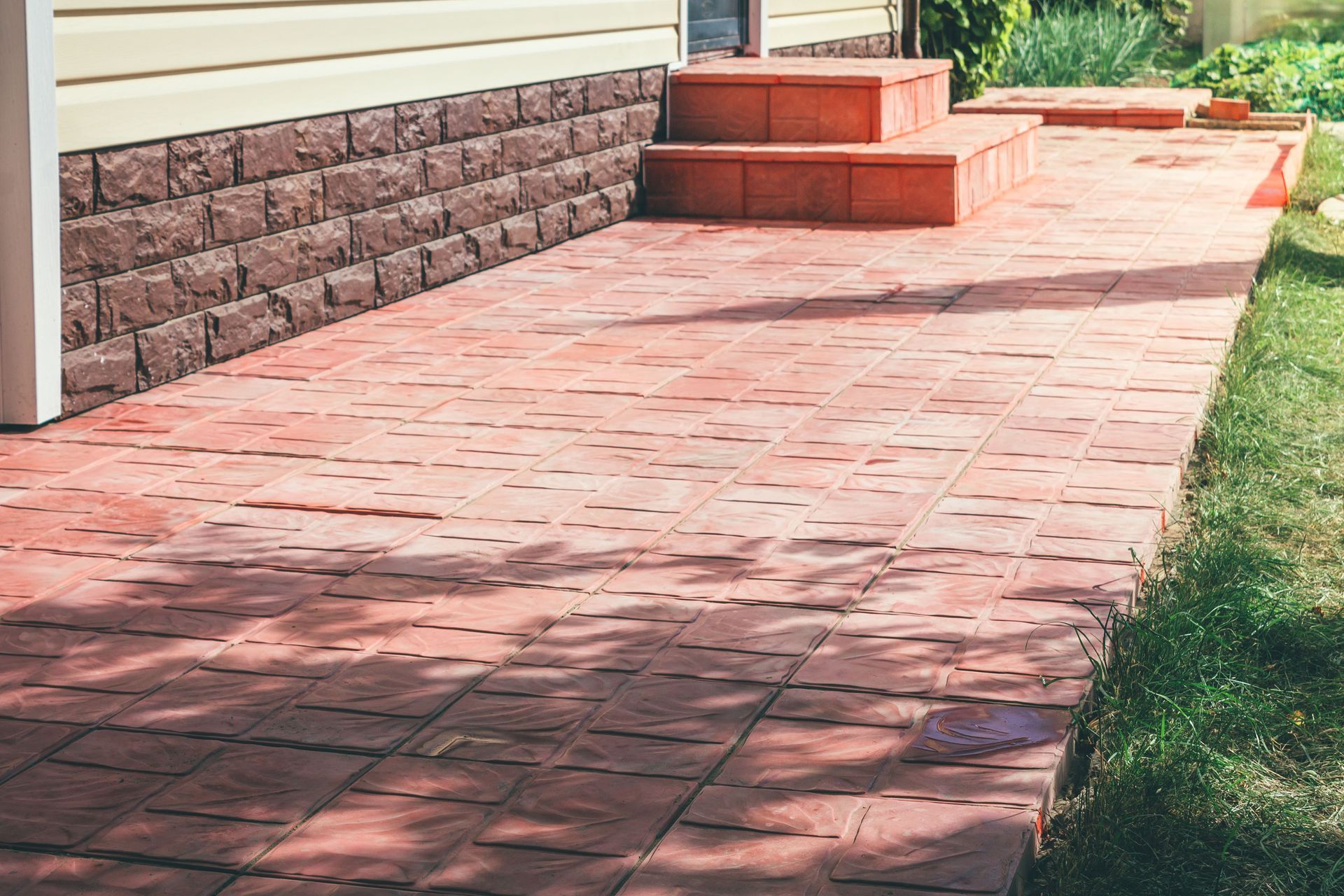
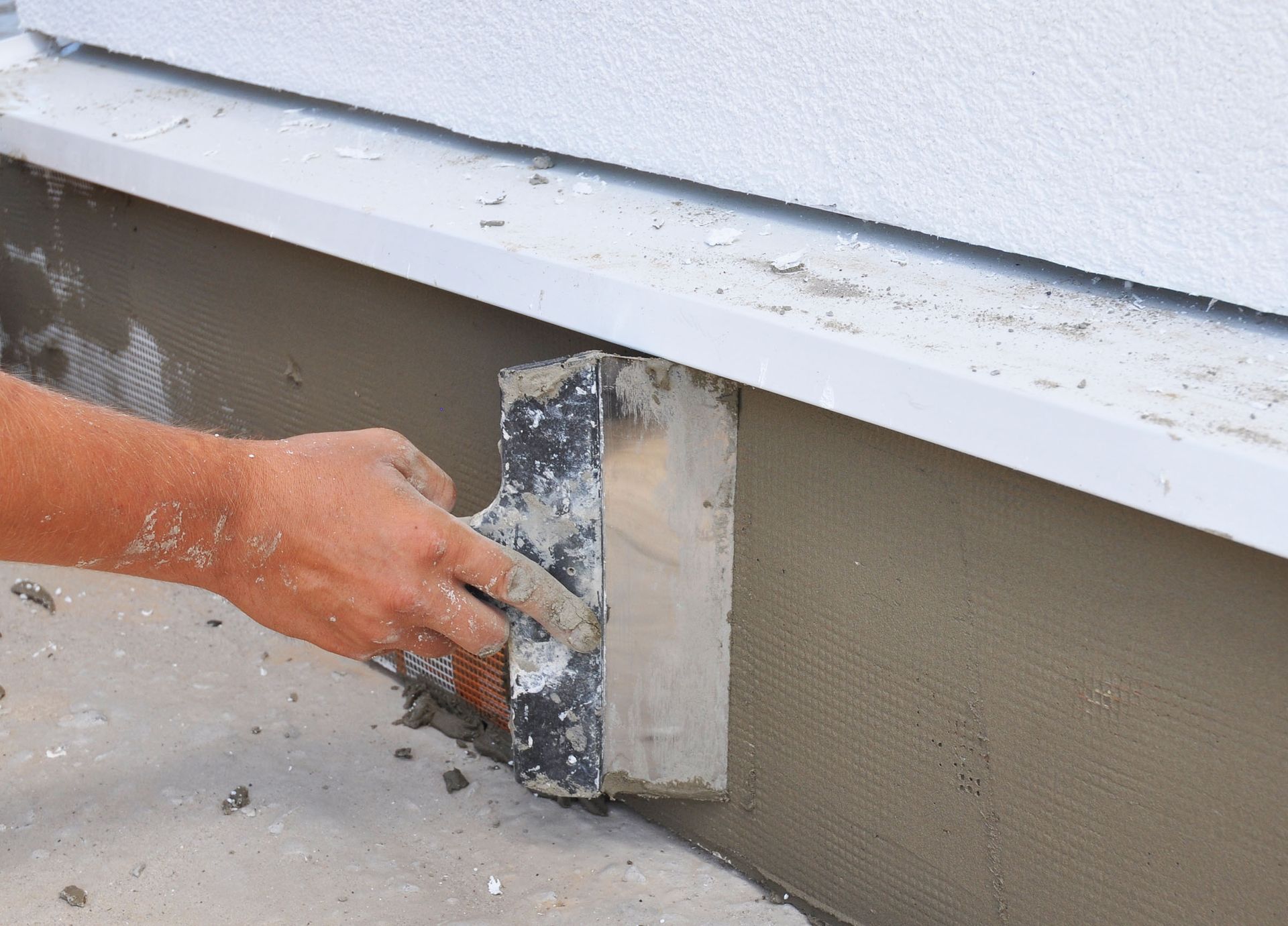
Outdoor features deserve attention too. Retaining walls, patios, walkways, and front steps endure foot traffic, shifting soil, and standing water. Stucco surfaces can develop hairline cracks that let moisture slip behind the finish, where it quietly damages the wall underneath. A thorough inspection by a masonry contractor covers all of these areas, giving you a complete picture of your home's condition rather than a piecemeal view.
What Regular Maintenance Involves
Masonry maintenance doesn't need to be complicated, but it does need to be consistent. The goal is to keep water out and address deterioration while it's still small and affordable to fix.
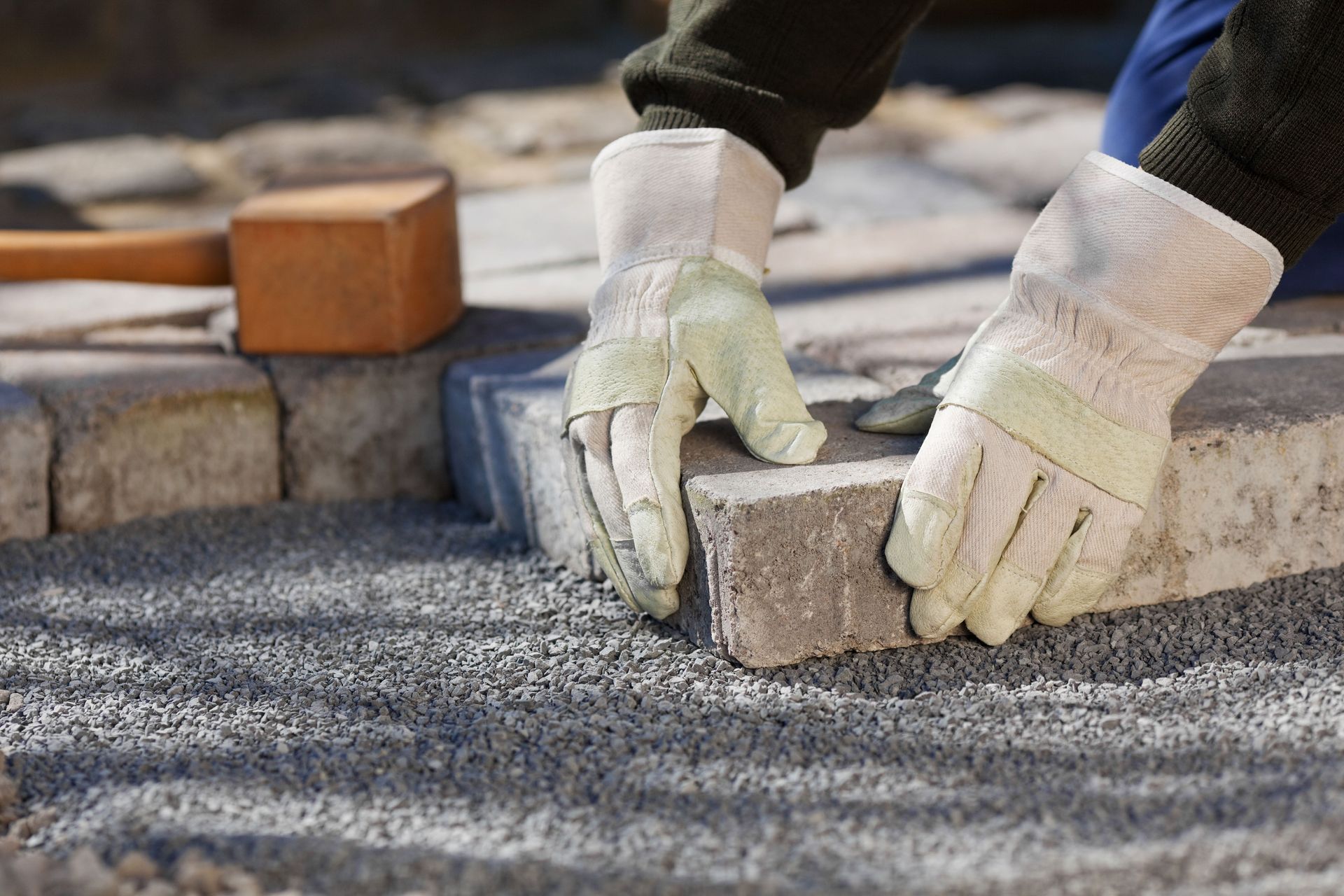
Repointing, also called tuckpointing, involves removing worn or damaged mortar from the joints and replacing it with fresh mortar. A skilled masonry contractor matches the new mortar to the existing material in strength, color, and texture, which is especially important for older homes. Mortar that's too hard can actually damage softer historic brick over time. Matching the original materials also helps repairs blend in, so your home keeps its character and curb appeal.
Crack repair is another core maintenance task. Depending on the location and cause, a professional may seal the crack, inject it, or reinforce the surrounding structure. Waterproofing treatments for chimneys, foundations, and basements add an extra layer of protection, while brick replacement restores sections where individual units have cracked or spalled beyond repair.
In our experience, scheduling a professional masonry inspection every one to two years keeps most homes ahead of serious problems. You can also make a habit of walking around your property each spring and fall to look for new cracks, loose mortar, or signs of moisture.
When to Call a Professional Masonry Contractor
While routine visual checks are helpful, masonry repair isn't a good DIY project. Mixing and applying mortar correctly takes skill and experience, and a poorly executed repair can trap moisture or create new stress points in the wall. Structural issues, such as bowing basement walls or leaning chimneys, require a professional assessment to keep your home safe.
You should reach out to a masonry contractor if you notice cracks that grow wider over time, mortar that crumbles when you touch it, bricks that shift or fall out, or water stains near a chimney or foundation. Other red flags include efflorescence, damp spots in the basement, and steps or walkways that have started to tilt or separate.
Working with a professional masonry contractor gives you more than a quick fix. An experienced team can identify the root cause of the problem, recommend the right solution, and complete the work with materials and methods built to last.
Small cracks may look harmless, but they often mark the beginning of bigger, more expensive problems. By staying on top of repointing, crack repair, and waterproofing, you can protect your home from water damage and extend the life of your brick, stone, and mortar. If you've spotted signs of wear around your chimney, foundation, or outdoor masonry, now is the time to bring in a masonry contractor who can stop the damage in its tracks. At Academy Masonry & Construction, we provide thorough inspections, careful repairs, and lasting solutions for homeowners. Contact us today to schedule your service and keep small issues from becoming big ones!