July 13, 2026
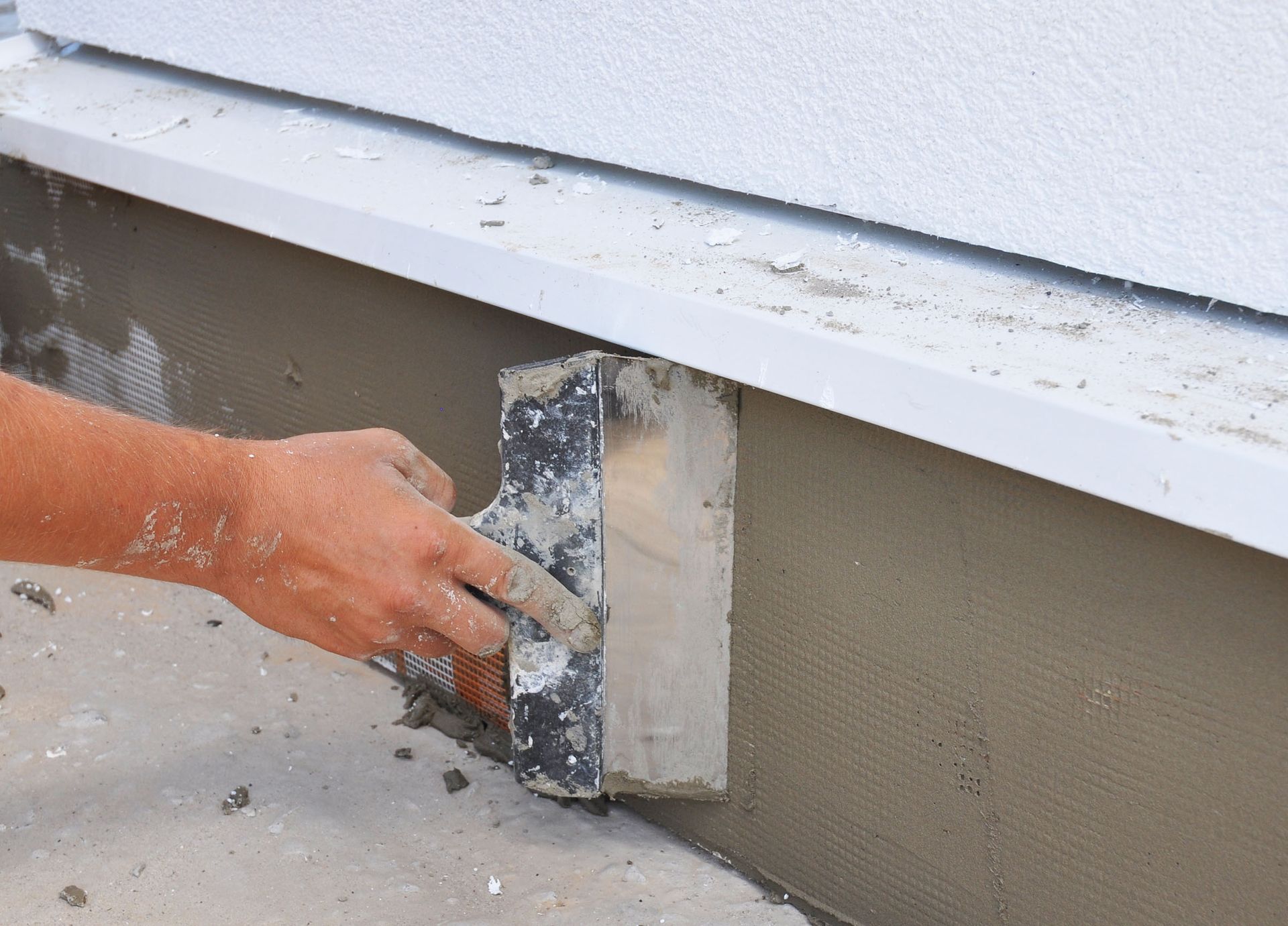
Foundation repairs are often seen as daunting tasks, yet delaying attention to these critical home components can result in severe consequences. Homeowners are frequently unaware of the risks associated with procrastinating repairs, which may include structural failure, increased repair costs, and depreciated property value. By addressing foundation issues promptly, homeowners can protect their investment and ensure the long-term safety and sustainability of their properties. Ignoring foundation problems can lead to cascading issues, impacting not just the structural integrity of a house but also leading to financial and legal complications.
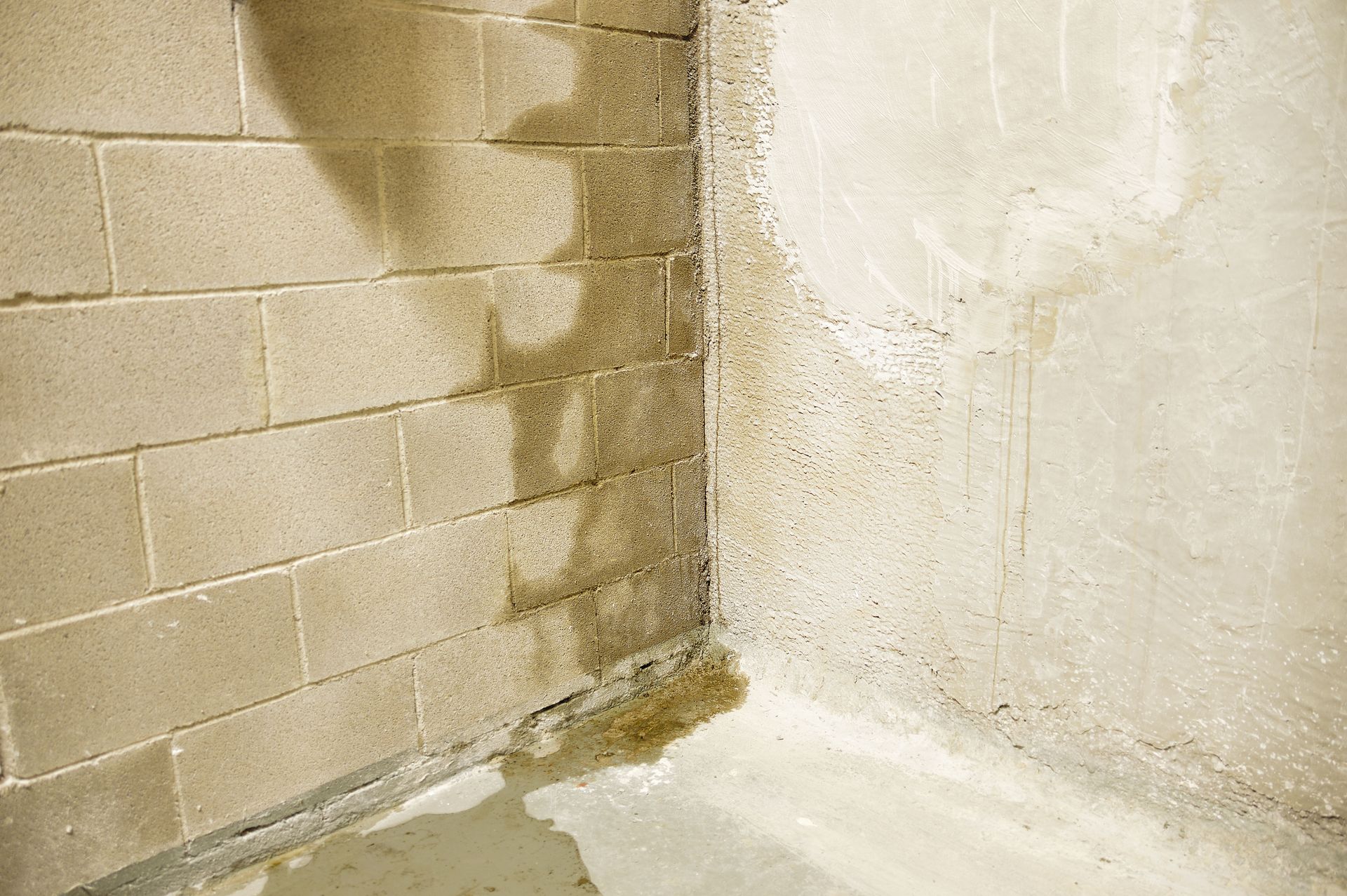
Every day a shifting substrate is left unaddressed, gravity and hydrostatic pressure continue their relentless assault on your home's structural framing. What begins as a subtle hairline fracture in the concrete baseline can rapidly expand into an uncontrollable architectural nightmare. Waiting for a more convenient time only allows hidden moisture to penetrate the structural core, quietly rotting wood supports and warping drywall. Proactive containment is always more efficient than emergency structural reconstruction. This article explores several compelling reasons why one should not delay addressing foundation issues and emphasizes the urgency required for taking timely action. Investing in early foundation repairs provides true peace of mind.
1. Escalating Repair Costs
The cost of ignoring early signs of foundation damage can be significant. Minor cracks left unaddressed develop into extensive fractures, necessitating invasive repairs. When allowed to progress, costs multiply as additional structural elements become compromised. Addressing smaller issues promptly prevents further degradation and saves homeowners considerable money. For instance, a small repair ignored today could escalate into a massive overhaul in a year or two.
Damage progression is common as neglected issues accelerate deterioration. With time, what begins as a simple crack extends upward, affecting walls, floors, and other structural components. The integrity of windows and doors can also be compromised as the house shifts and settles unevenly. This misalignment affects aesthetics and can lead to energy inefficiencies or security issues. Compounded by weather factors like rain or temperature fluctuations, these problems become more severe, requiring comprehensive reconstruction rather than simple fixes. Delaying professional foundation repairs means you are choosing to pay higher costs later.
2. Insurance Implications
Understanding typical insurance coverage for foundation issues is essential for homeowners. Many policies have specific stipulations regarding foundation damage, often covering only those resulting from sudden natural disasters like earthquakes or floods. Routine settlement and wear-and-tear damages are generally excluded. Being proactive saves homeowners from unexpected financial burdens. Moreover, unreported damages can invalidate future claims, leaving homeowners with unaffordable repair bills.
Delayed repairs can significantly impact insurance claims, often leading to denial of coverage. Insurance companies may argue that the homeowner's negligence exacerbated the issues, voiding potential claims. Consequently, prompt actions strengthen claims by precluding counterarguments about neglect. For homeowners, maintaining open communication with insurance providers and thoroughly documenting all fixes plays a crucial role. Homeowners who stay on top of scheduled foundation repairs find it much easier to prove they exercised due diligence when filing documentation.
3. Structural Integrity of the Home
The science of structural weakening involves a complex interplay of forces acting on a home's foundation. As the substrate shifts and settles unevenly, stress points emerge, compromising the foundation's integrity. Structural weakening typically manifests in visible signs like cracks in walls, misaligned doors and windows, and uneven floors. These signs indicate underlying issues that, without intervention, gradually worsen and compromise other structural elements.
Foundation problems can also lead to significant energy loss, further burdening homeowners with increased utility bills. According to the U.S. Department of Energy, basements and foundations can account for up to 30% of a home’s energy loss if not properly insulated.
Identifying signs of compromised integrity early can prevent further damage and ensure quick remediation. Cracks larger than a quarter-inch, sticky doors, or noticeably sloping floors are warning signals homeowners shouldn't overlook. If these signs are ignored, homes risk descending into disrepair, thereby escalating the costs and complexity of necessary interventions. Executing swift foundation repairs can save homeowners from the financial and emotional distress of living in an unsound environment.
4. Safety Concerns
Potential hazards from structural damage extend beyond financial implications, posing significant safety risks. A compromised foundation increases the possibility of partial or total structural collapse, endangering residents. The safety implications become more pronounced if indicators like bowing walls or sloping floors are ignored. Families may find themselves in dangerous situations, especially if ancillary structures like decks or porches become detached from the main frame. Hence, timely foundation repairs are imperative to mitigate these risks and ensure residential safety.
Risks to residents include falls, injuries, and even fatalities if living conditions are compromised. Foundation misalignment can cause tripping hazards, and structural instability can lead to dangerous situations during seismic events or severe storms. Legal liabilities of unsafe living conditions present a further risk for homeowners who neglect repairs. Tenants or visitors injured within such homes might file lawsuits, holding homeowners liable for damages arising from neglect.
5. Impact on Property Value
How buyers perceive foundation issues can dramatically affect a property's saleability. Prospective buyers are wary of potential money pits and may be deterred by visible or suspected foundation problems. Even minor issues can significantly lengthen listing times or lead to negotiations for reduced prices. Repair negotiations can further complicate real estate transactions, requiring sellers to either adjust their prices or manage costly fixes pre-sale.
Thus, addressing foundation issues prior to listing is essential in maintaining and potentially increasing property value. Choosing to execute complete foundation repairs ensures your home maintains its edge on the market. Comparative property values with and without repairs demonstrate the importance of a sound foundation. Homes with well-maintained foundations typically command higher market prices compared to those with visible damage. Homeowners who invest in timely fixes see these structural expenses fully recouped through enhanced final sale prices.
6. Ecosystem and Environmental Impact
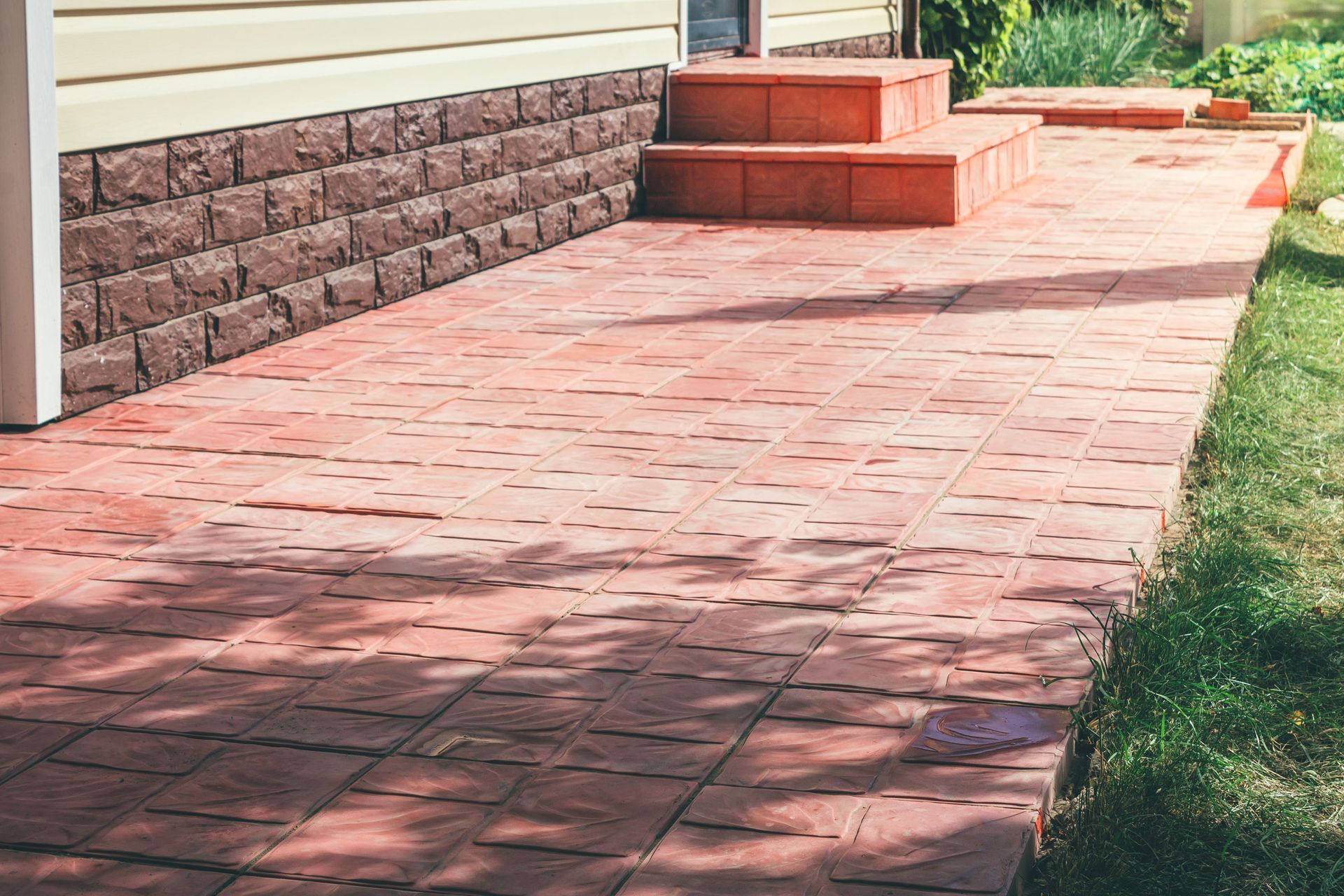
The relationship between a foundation's health and the nearby ecosystem is surprisingly intricate. Poor foundation conditions can lead to water diversion issues, causing soil erosion and affecting local plant and animal life. Loose or shifting soils can disturb root systems, further degrading the stability of a home’s foundation. As these problems compound, both the built and natural environments suffer, highlighting the interconnectedness of ecological health and architectural integrity. Effective stabilization projects can rectify these drainage issues and foster a more harmonious coexistence with local ecosystems.
Issues such as soil erosion and secondary environmental damage stem from failing foundations and poor water management. As water pools and erodes soil, property boundaries and landscaped areas can be severely affected. Over time, this can lead to minor landslides or the loss of fertile land, further intensifying ecological damage. Homeowners are required to maintain systems like rain gutters and downspouts, ensuring prompt interventions mitigate the risk of environmental devastation.
The urgency and importance of timely structural interventions cannot be overstated. From escalating repair costs and insurance implications to structural safety and ecological impact, the reasons for acting promptly are numerous and compelling. Homeowners are encouraged to take proactive steps, conducting regular inspections and consulting professionals for comprehensive evaluations. Addressing issues before they escalate safeguards financial well-being and ensures that homes remain safe, valuable, and environmentally friendly.
Ultimately, proactive engagement in structural health yields exponential returns, fortifying your home against future environmental challenges. When you are ready to secure your property, don't delay your necessary foundation repairs any longer. Contact the trusted professionals at Academy Masonry & Construction today to protect your investment.