July 20, 2026
Masonry is one of the oldest and most dependable building methods used in residential construction. Brick, stone, concrete block, and similar materials can support a home’s structure, improve its appearance, and protect outdoor spaces from weather and wear. However, masonry work requires more than strong materials. Proper planning, preparation, installation, and repair all influence how long the finished work will last. Small mistakes in drainage, mortar application, joint spacing, or foundation support can lead to cracking, movement, and water intrusion over time.
Experienced masonry contractors help homeowners address these concerns through skilled construction, careful restoration, and practical maintenance. Their work can strengthen foundations, improve exterior features, repair damaged surfaces, and add lasting value to a property. Understanding the services they provide makes it easier to recognize when professional help is needed and how masonry improvements can support a safer, more attractive, and more functional home.
Strengthening Foundations and Structural Walls
Foundations and load-bearing walls play a critical role in supporting a home. Masonry materials are often selected for these areas because they can withstand significant weight and provide long-term stability when installed correctly. Contractors evaluate soil conditions, drainage, reinforcement, and load requirements before beginning work. This preparation helps reduce the risk of settlement, shifting, or cracking that could affect the rest of the structure.
According to the National Association of Home Builders, 30% of newly constructed homes in the United States use masonry as a primary building material, especially for foundations and walls. This widespread use reflects the importance of durable masonry in residential buildings. When existing foundations show signs of damage, masonry contractors can inspect the affected areas and recommend repairs that address both visible deterioration and underlying causes.
Repairing Cracks and Deteriorated Mortar
Cracks in brick, block, stone, or mortar should not be ignored. Some small cracks result from normal settling, while others may point to moisture problems, foundation movement, or weakened joints. A professional can determine whether the damage is cosmetic or structural. Early evaluation can prevent minor openings from expanding and allowing water, insects, or cold air to enter the home.
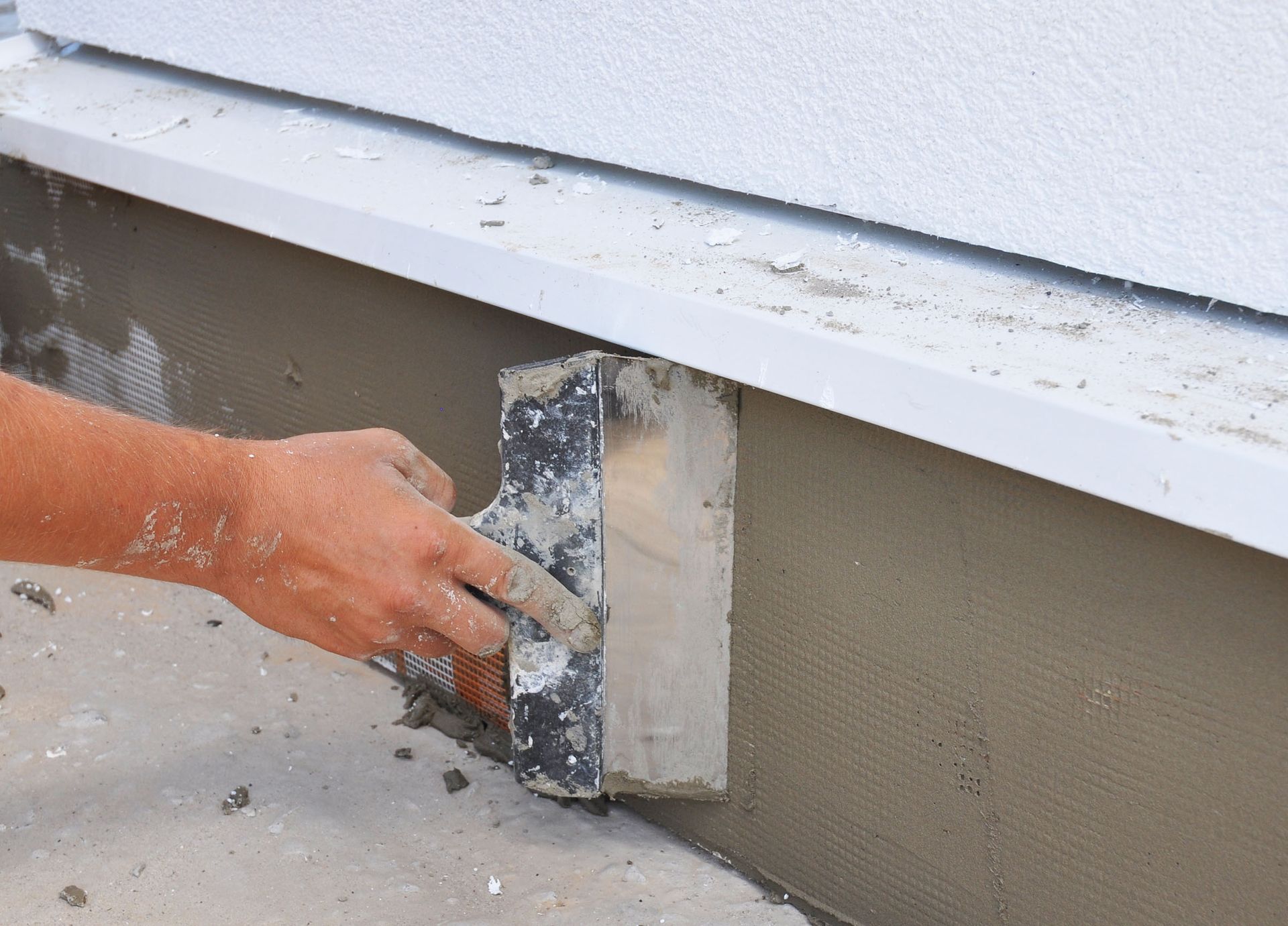
Mortar joints naturally wear down over time because of rain, temperature changes, and repeated freeze-and-thaw cycles. Tuckpointing or repointing removes deteriorated mortar and replaces it with new material that matches the existing masonry. This process restores stability and improves appearance without requiring complete reconstruction. Properly repaired joints also help protect surrounding brick or stone from continued moisture exposure.
Improving Chimney Safety and Performance
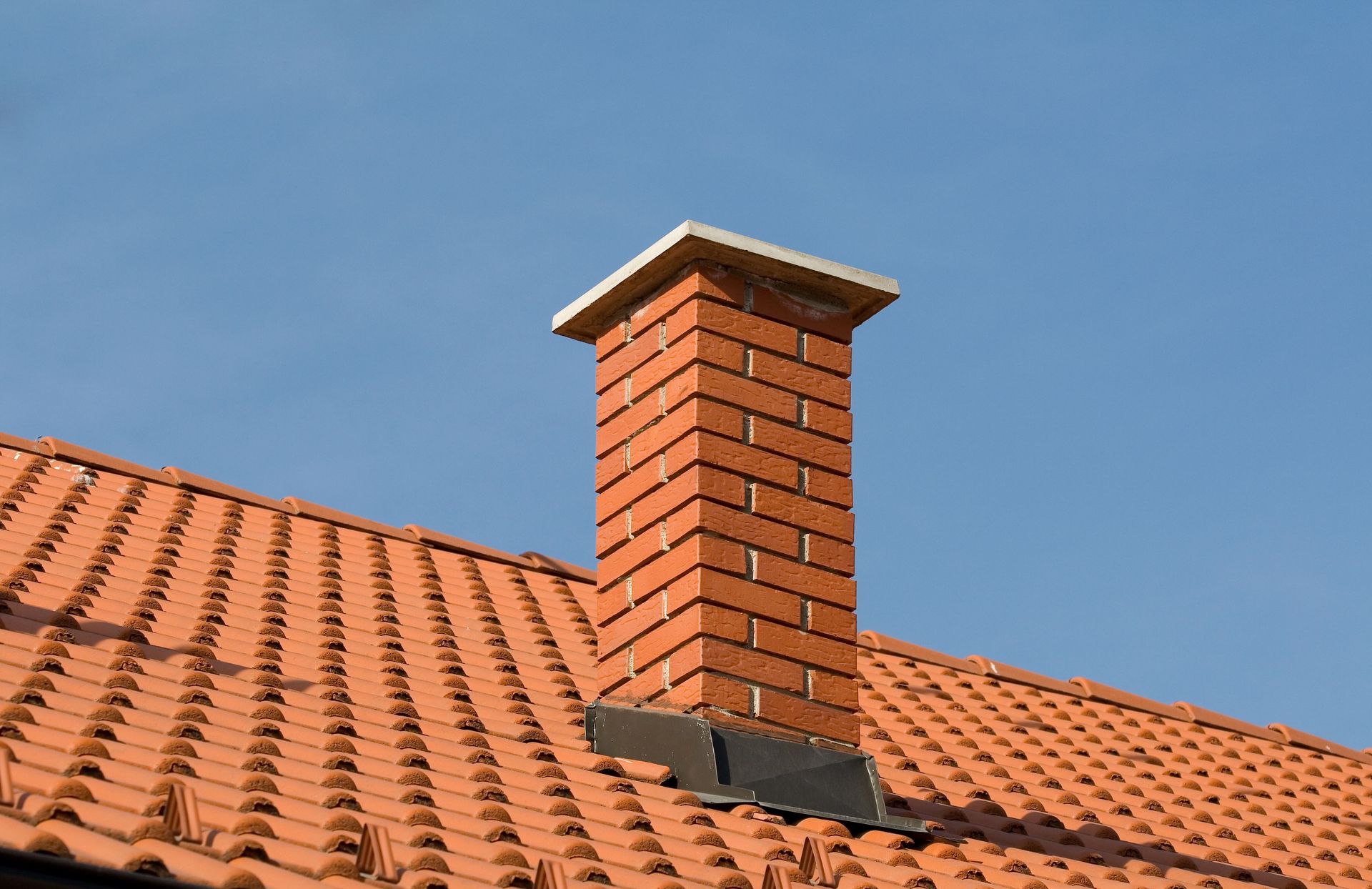
Chimneys are constantly exposed to wind, rain, heat, snow, and changing temperatures. These conditions can loosen mortar, crack crowns, damage flashing, and cause bricks to spall or break apart. When deterioration develops, water may enter the chimney and spread into nearby walls, ceilings, or roof materials. A professional inspection can identify trouble before it causes widespread damage.
Masonry contractors can rebuild damaged sections, replace broken units, repair mortar joints, and restore chimney crowns. They may also recommend waterproofing or flashing repairs when moisture is contributing to the problem. Reliable chimney masonry supports proper ventilation and reduces the chance that loose materials will fall from the structure. Regular attention can extend the chimney’s service life and help protect the roof and interior.
Enhancing Exterior Walls and Facades
Brick and stone exteriors give homes a distinctive, finished appearance while providing a durable barrier against outdoor conditions. Over time, however, staining, cracked joints, loose units, and uneven sections can reduce curb appeal. Skilled repair preserves the original character of the facade while correcting problems that may allow moisture to move behind the surface.
Homeowners can also use masonry to update plain exterior areas or add visual interest. Stone veneer, brick accents, decorative columns, and entry features can complement the home’s architecture and create a more polished design. An experienced contractor can recommend materials, colors, and patterns that coordinate with existing siding, roofing, and landscaping rather than appearing like a disconnected addition.
Building Functional Outdoor Living Features
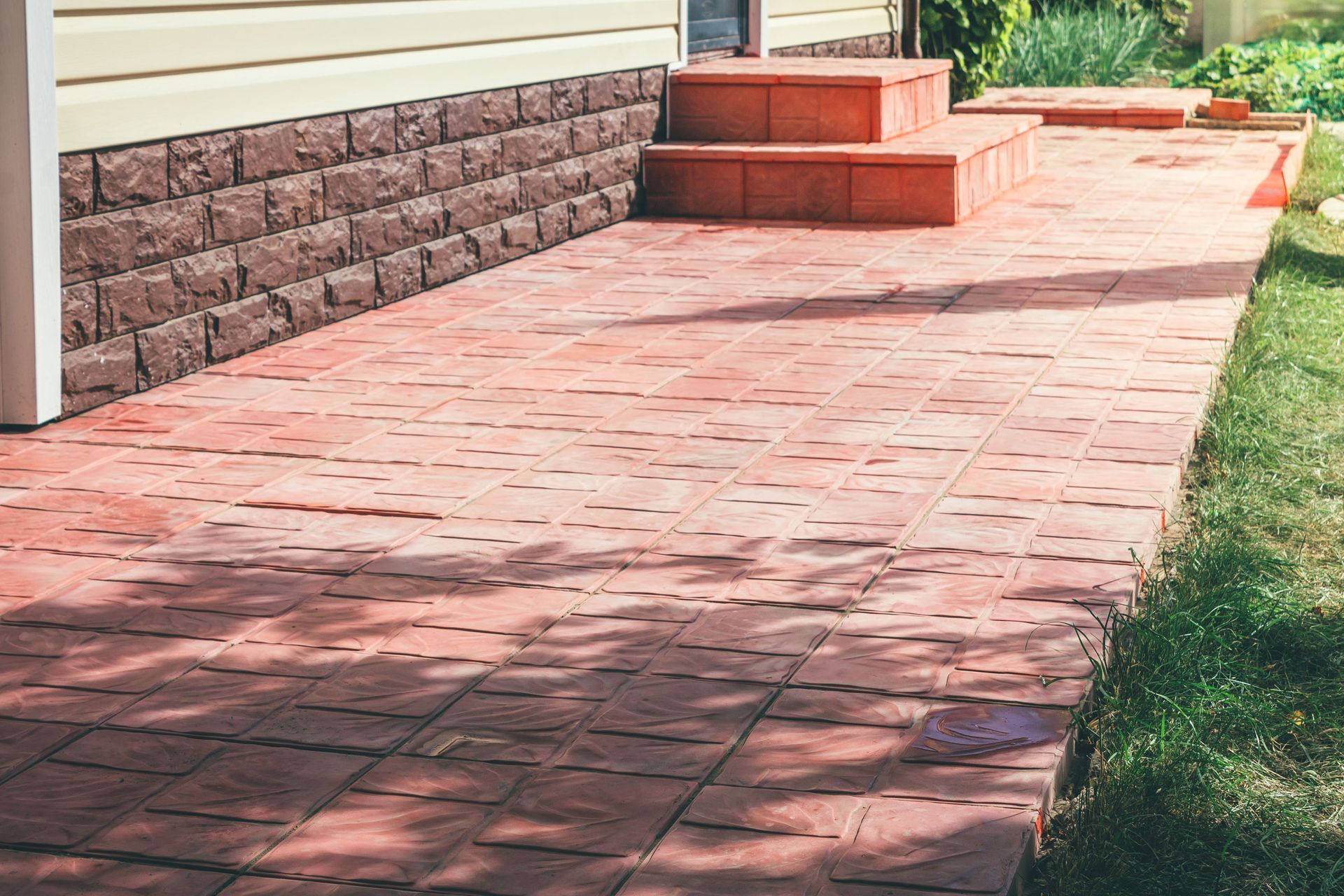
Masonry can make outdoor spaces more useful by creating patios, walkways, steps, seating walls, and fire features. These additions provide defined areas for relaxing, entertaining, and moving through the yard. Brick, pavers, and natural stone offer many design options, allowing homeowners to select patterns and textures that match the style of the property.
Proper base preparation is essential for outdoor masonry. Without adequate excavation, compaction, grading, and drainage, surfaces may sink, shift, or collect standing water. Professional masonry contractors understand how local soil and weather conditions affect installation. Their planning helps outdoor features remain level, stable, and comfortable to use through changing seasons.
Controlling Drainage and Preventing Water Damage
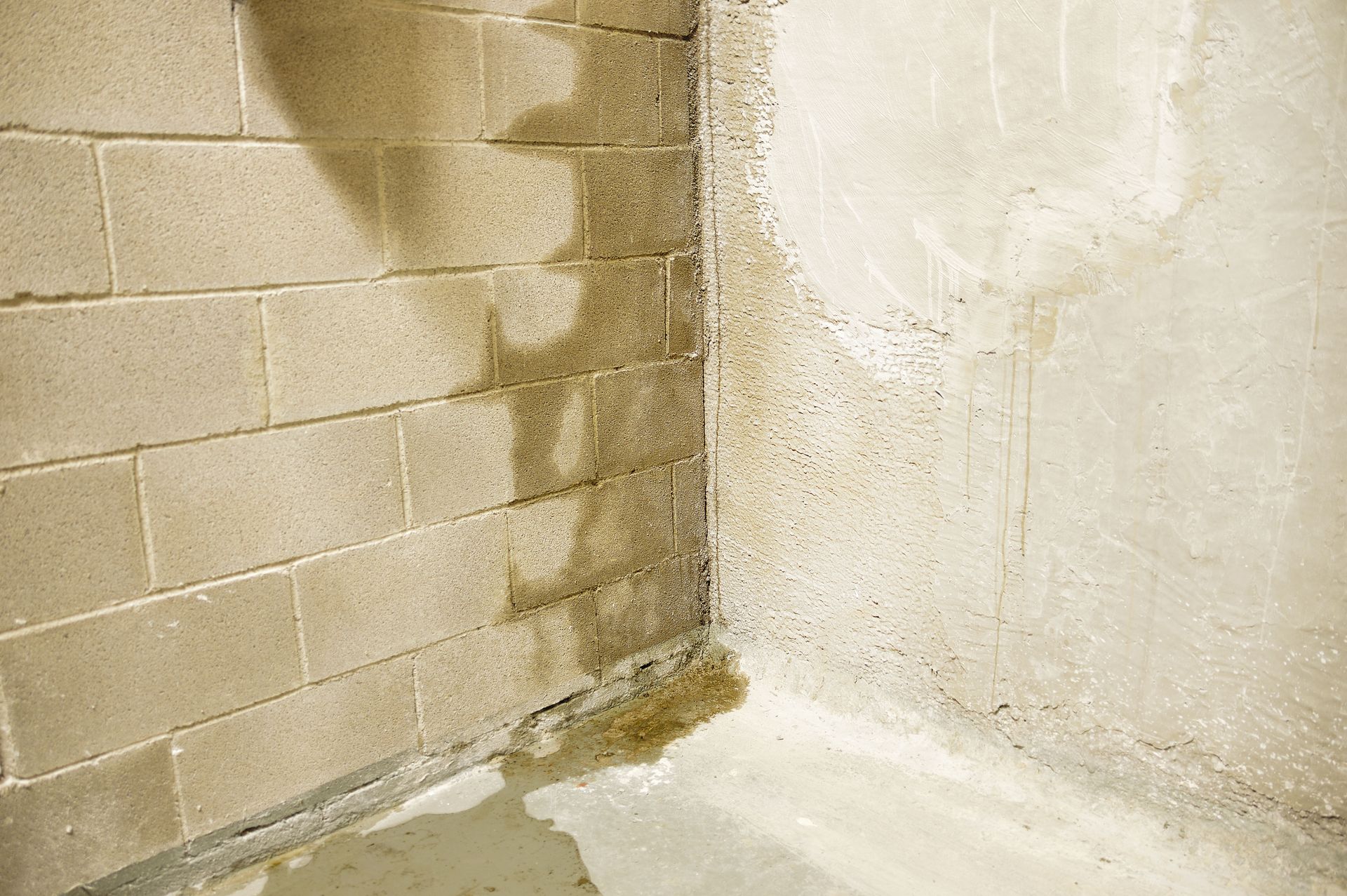
Water is one of the greatest threats to masonry. Poor drainage can saturate walls, weaken mortar, stain surfaces, and increase freeze-related damage. Water may also collect near foundations and contribute to basement moisture or structural movement. Contractors examine slopes, downspout locations, joints, caps, and nearby landscaping to determine how water travels around the property.
Repairs may involve sealing openings, rebuilding damaged sections, installing caps, improving grading, or correcting drainage around masonry features. The goal is not simply to hide water stains but to reduce the source of moisture. Addressing drainage early helps protect foundations, retaining walls, steps, and exterior surfaces from repeated deterioration and expensive future repairs.
Restoring Historic and Decorative Masonry
Older homes often include brickwork, stone details, arches, fireplaces, and other masonry features that contribute to their character. Repairing these elements requires care because modern materials may not always be compatible with the original construction. Mortar that is too hard, for example, can place unnecessary stress on softer historic brick and cause further damage.
Qualified masonry contractors can evaluate existing materials and choose repair methods that preserve the feature’s appearance and performance. Matching mortar color, texture, joint profile, and unit size helps the repaired area blend with the original work. Thoughtful restoration allows homeowners to retain distinctive craftsmanship while improving stability and protecting the feature for future use.
Increasing Energy Efficiency and Indoor Comfort
Masonry has thermal mass, which means it can absorb and release heat gradually. When incorporated into walls or fireplaces, this characteristic may help moderate indoor temperature changes. Well-maintained masonry also reduces gaps that allow drafts or moisture to enter. Repairing cracks and failed joints can therefore support a more comfortable interior.
Masonry improvements work best when coordinated with insulation, flashing, ventilation, and other building systems. A contractor can identify visible exterior weaknesses, but some concerns may require cooperation with roofing, foundation, or energy-efficiency professionals. By correcting masonry defects and improving the building envelope, homeowners may reduce avoidable heat loss and protect interior finishes from dampness.
Adding Long-Term Property Value
Well-built masonry features can increase a property’s usefulness and appeal. Buyers often notice solid steps, attractive walkways, restored fireplaces, clean brickwork, and well-maintained foundations. These improvements create the impression that the home has received careful attention. Durable materials can also reduce concerns about frequent replacement when the work has been completed properly.
Professional masonry contractors help homeowners prioritize projects that offer both practical and visual benefits. Instead of applying temporary patches, they can recommend solutions based on the condition of the structure and the homeowner’s goals. Quality workmanship supports long-term performance, which can make masonry upgrades a valuable part of routine maintenance, remodeling, or preparation for a future sale.
Masonry work can strengthen a home, correct developing damage, improve water management, enhance outdoor spaces, and preserve valuable architectural details. Because foundations, chimneys, walls, and hardscapes depend on proper installation and repair, professional experience can make a meaningful difference in safety, durability, and appearance. Working with dependable masonry contractors gives homeowners access to informed evaluations and lasting solutions tailored to their property. For professional masonry repairs, restoration, and construction services, contact Academy Masonry & Construction.