May 18, 2026
A comprehensive guide on the essentials of chimney repair for homeowners seeking local options. Chimneys are crucial structures in homes that carry smoke and combustion gases from fireplaces, stoves, and furnaces to the outside air. Regular maintenance and timely repairs of chimneys are necessary to ensure safety and functionality. This guide offers an in-depth understanding of chimney structures, common issues, repair techniques, and how to select professional services. Homeowners can use this knowledge to maintain their chimneys effectively and prolong their lifespan.
Understanding Chimney Structures
Components of a Chimney
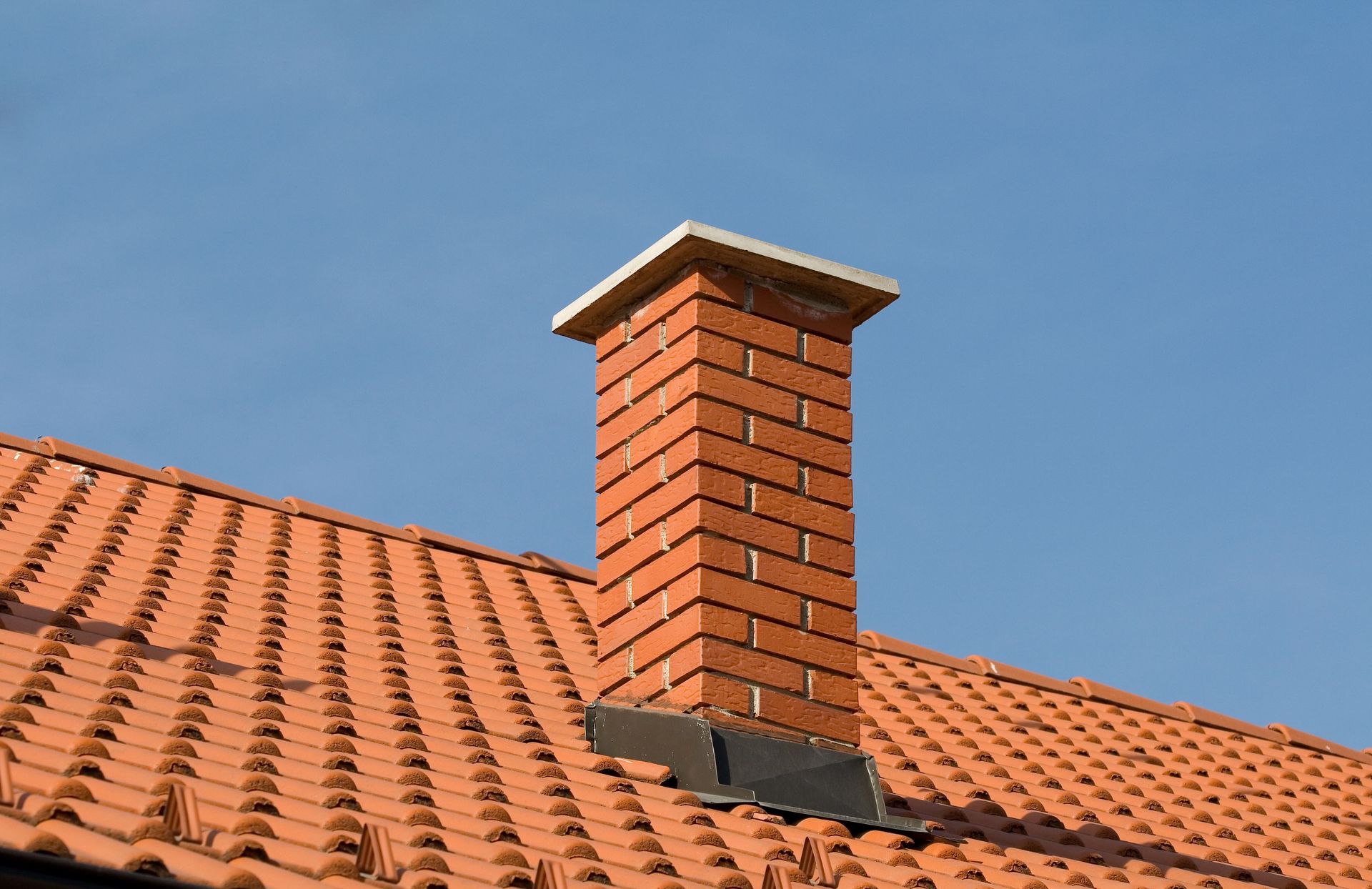
Chimneys are composed of several key components that each serve an important function. The stack, which is the visible part that extends above the roofline, is the primary path for smoke to exit. Inside, the flue is the vertical passage where smoke ascends. Chimney liners, often made of clay or metal, line the interior of the flue to protect against heat and corrosion. Atop the chimney sits the cap and crown, which prevent water, debris, and animals from entering.
Functions and Importance of Each Component
Each chimney component plays a vital role in ensuring the effective and safe evacuation of smoke. The stack must be tall enough to create adequate draft that facilitates upward movement of smoke. Flues channel smoke and gases, preventing them from escaping into living spaces, while liners add a layer of protection. The cap and crown mitigate water damage and block foreign object entry. Understanding these functions highlights the importance of routine checks and maintenance.
Common Chimney Materials
Chimneys can be constructed from a variety of materials, each chosen based on factors such as cost, durability, and aesthetics. Brick and stone are traditional materials known for their heat resistance and longevity, yet they require careful maintenance to prevent mortar degradation. Metal chimneys, often made from stainless steel or aluminum, offer a cost-effective and lightweight alternative. Clay and concrete are also common for chimney liners due to their thermal insulation properties. Each material offers unique benefits and challenges that influence repair needs and maintenance strategies.
Chimney Design Variations
Different home designs necessitate a variety of chimney styles, each with its own specifications and maintenance needs. A traditional masonry chimney is most common in residences with fireplaces, offering strength and long-lasting performance. Pre-fabricated chimneys are more prevalent in modern homes, providing a lighter and easier-to-install solution. double-walled and insulated chimneys cater to specialized heating systems where additional fire safety is essential. Various designs require specific maintenance strategies and repairs, making expert advice crucial.
How Chimneys Work with Different Heating Systems
Chimneys are integral to a variety of heating systems, each with unique requirements for effective operation. While wood-burning fireplaces are classic applications, chimneys are also used with gas fireplaces, wood stoves, and even high-efficiency furnaces. Each system generates different levels of heat and combustion gases, demanding specific flue liners and venting configurations. Effective chimney functions hinge on proper pairing with the heating system, reinforcing the need for knowledgeable installation and adjustments. Ultimately, a well-structured chimney enhances the performance and safety of the heating system it serves.
Identifying Chimney Problems
Common Chimney Damage Signs
It's pivotal to recognize early signs of chimney damage to prevent further deterioration. Cracks in the chimney's crown or visible masonry can often indicate underlying structural damage. An absence or poor fit of chimney caps may result in signs of water ingress, such as white staining or water pooling. Another sign, known as spalling, is when bricks start to flake off, suggesting that the chimney is absorbing excess moisture. Lastly, a smoky or inefficient fire might suggest draft issues or blockages within the flue.
Causes of Chimney Deterioration
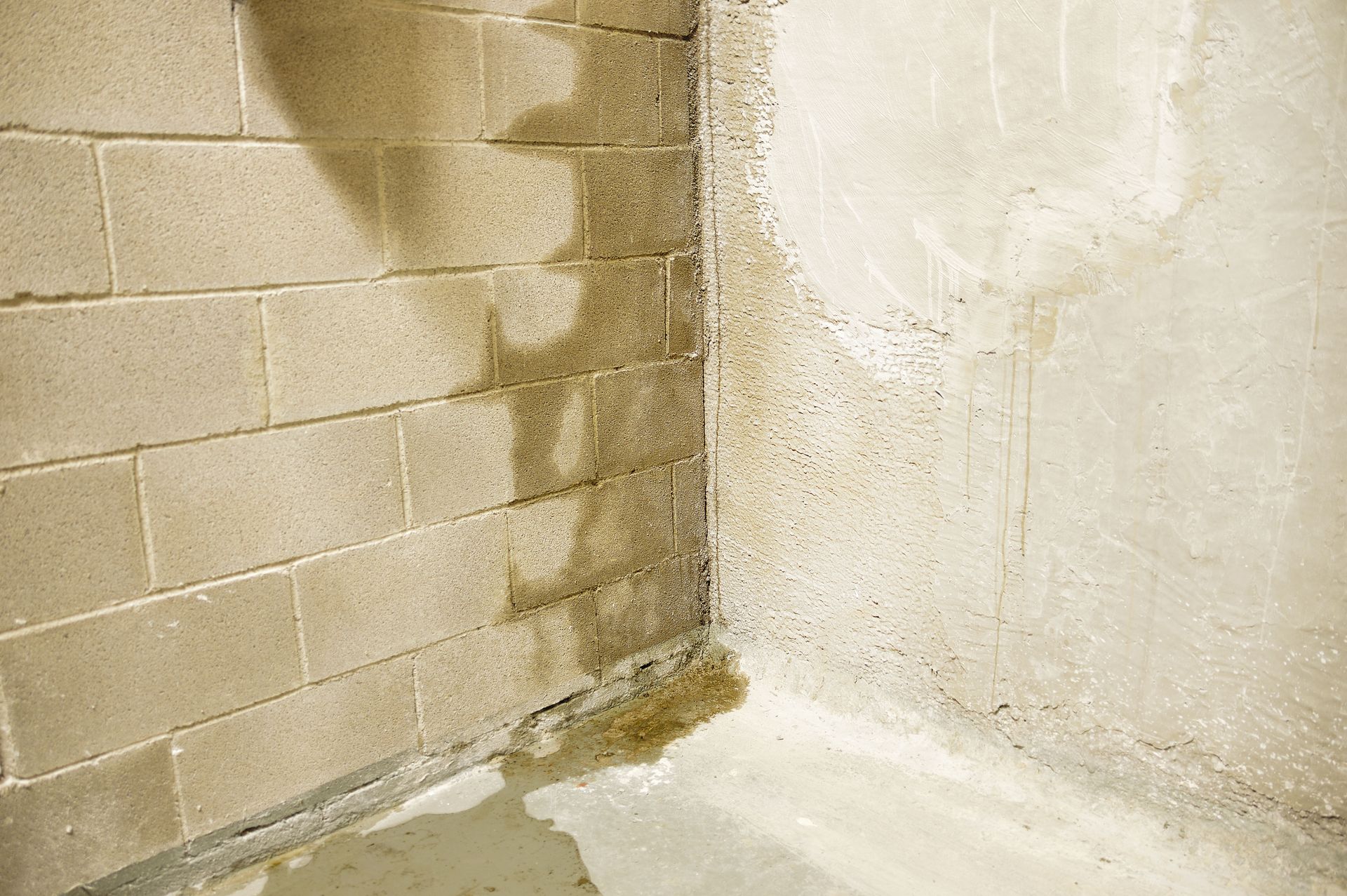
Chimney deterioration is frequently the result of prolonged exposure to environmental and structural stressors. Moisture infiltration from rain or melting snow can seep into mortar joints, causing expansion and erosion over time. Additionally, the freeze-thaw cycle common in colder climates can exacerbate existing cracks. Creosote buildup, found often in chimneys connected to wood-burning fireplaces, is not only flammable but also corrosive. According to Down to Earth Products, chimney repairs are generally more common in older homes, especially those over 50 years old, due to degraded materials.
Seasonal Effects on Chimney Integrity
Chimney maintenance needs often fluctuate with seasonal changes. During winter, freezing temperatures and snow can lead to expansion of trapped moisture in the chimney structure, causing cracking or spalling. Conversely, summer months expose the chimney to constant sunlight and heat, leading to the degradation of materials like the sealant or flashing. Autumn's falling leaves can contribute to blockages, affecting ventilation efficiency. It's crucial to conduct inspections after harsh weather events to assess and mitigate potential damage.
Tools for Chimney Inspection
Inspection tools vary based on the level of expertise and the depth of inspection required. A flashlight and a handheld mirror can aid homeowners in conducting rudimentary checks for visible obstructions or deposits within the flue. Specialized tools like chimney cameras provide detailed imagery that reveals hard-to-reach areas, ideal for spotting minute cracks or internal damage. Moisture meters can detect hidden dampness that signifies potential leaks in the chimney's structure. Regular inspections with the right tools can preempt costly and extensive repairs.
The Role of Professional Inspections
While basic visual inspections are beneficial, professional chimney sweeps or inspectors bring a skilled eye to uncover hidden issues. These experts adhere to guidelines by the Chimney Safety Institute of America, ensuring comprehensive evaluations. They utilize high-tech equipment and advanced techniques to inspect beyond the reach of most DIY efforts. Engaging skilled professionals can also provide homeowners with peace of mind and the knowledge needed for resolving detected issues. Scheduled professional inspections enhance safety and extend chimney life.
Repairing Chimney Masonry
Mortar Joint Damage and Repointing
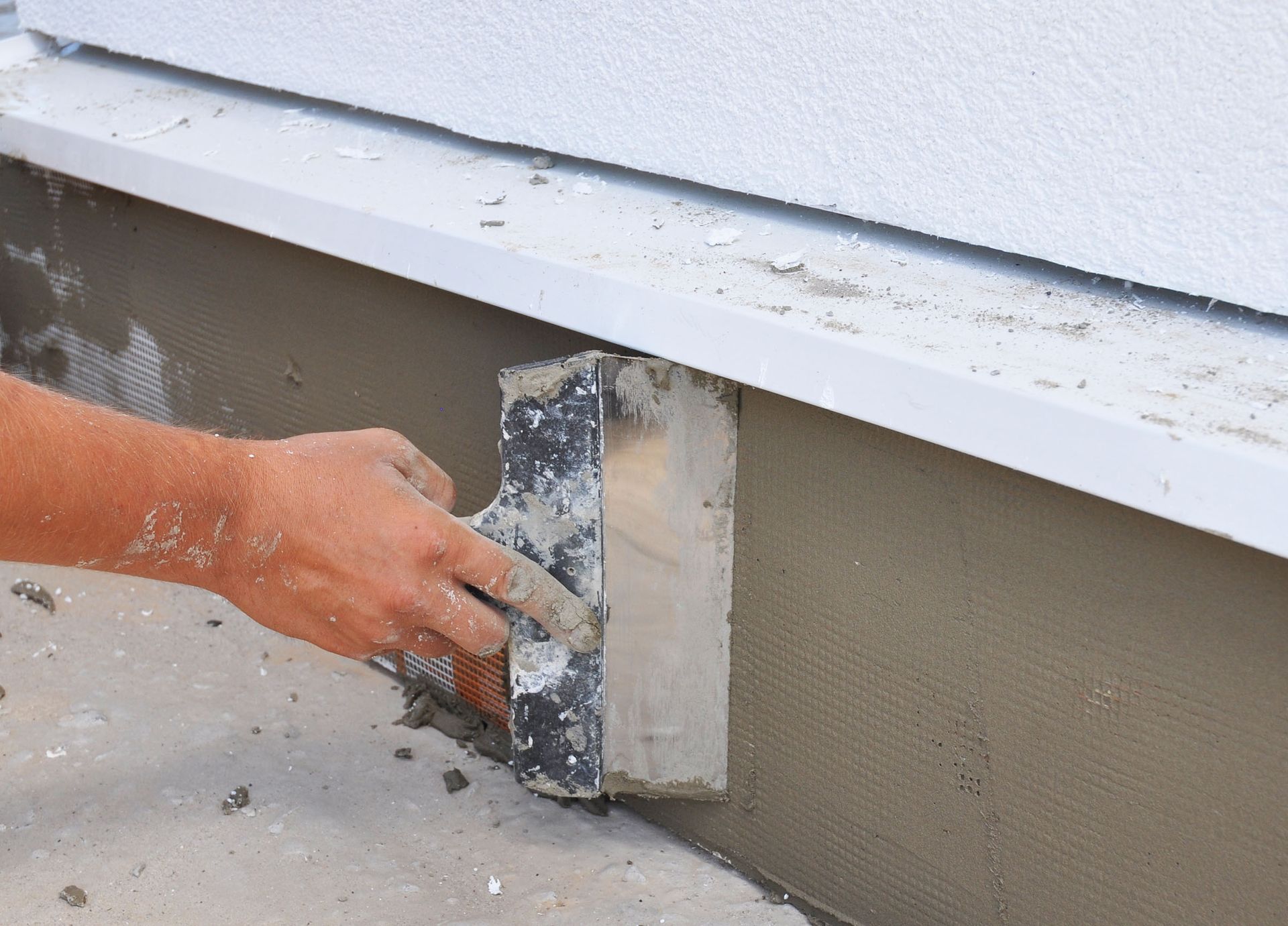
Mortar joints are crucial for holding brickwork together, and their deterioration can compromise the structural integrity of the chimney. When mortar erodes or cracks, it's necessary to perform a technique known as repointing. This involves removing the old, damaged mortar and applying new mortar to restore the chimney’s stability. Regular repointing extends the life of a chimney by maintaining its structure and avoiding costly reconstruction. It's a labor-intensive process that requires precision to ensure proper binding and longevity.
Brick Replacement Techniques
Bricks in a chimney can become damaged over time due to moisture exposure or general wear and tear. Replacement is a meticulous task that requires matching the new brick to existing masonry for aesthetics and function. First, damaged bricks are carefully removed, and debris is cleared to prepare the surface. New bricks are then carefully installed and sealed with mortar to protect against future damage. Brick replacement not only improves appearance but also restores structural integrity and safety.
Crack Repairs in Chimney Structure
Cracks in a chimney can develop from various stressors, like settling foundations or thermal expansion. For minor cracks, applying a waterproof crack filler can effectively seal the damage and protect against moisture ingress. Larger cracks may require more intricate solutions such as epoxy injections or structural reinforcements. Repairing cracks promptly can avert more severe structural failures. Such repairs enhance safety by ensuring that harmful gases are effectively vented and cannot infiltrate indoor spaces.
Summarizing the critical points and reminding homeowners of the importance of timely chimney repairs and maintenance. Chimneys play an essential role in home safety and efficiency, necessitating regular inspections and repairs to sustain functionality. Unchecked, minor issues can escalate into costly repairs or unsafe conditions. By understanding chimney structures, identifying potential issues, and effectively maintaining them, homeowners can extend their lifespan significantly. Investing in professional chimney services not only provides peace of mind but supports a safe and efficient home environment. Be sure to reach out to Academy Masonry & Construction today for more information on our professional local chimney repairs!